 Norgesfoods
Most people in Malaysia who ask us for cod want the real thing: Atlantic cod, Gadus morhua, from cold Norwegian water. Until recently that always meant wild-caught cod. Now a growing share of Norwegian cod comes from fish farms, and one company, Ode, produces most of it. We plan to bring Ode cod to Malaysia, so here is what it is, how it compares with the wild cod we sell now, and how to register your interest.
Who is Ode?
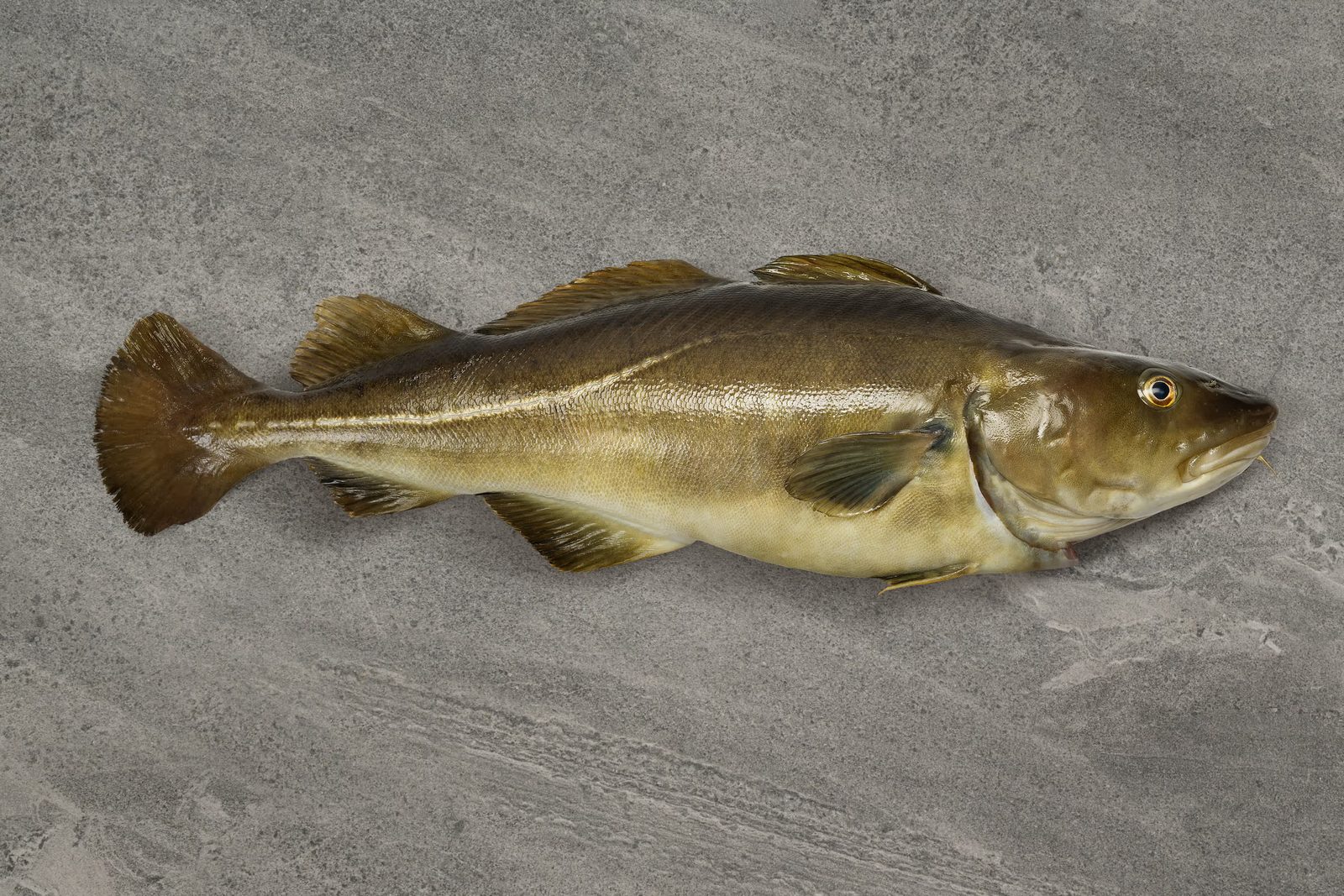
Ode is a Norwegian seafood company based in Ålesund, on Norway’s west coast. It was founded by Ola Kvalheim (now CEO) and Tor Olav Seim, and it specialises in one fish: Atlantic cod. The name comes from the Greek “ode”, a poem of praise; the company calls it a tribute to the coast, the sea, the people and the cod.
Ode’s numbers for 2025 show how quickly farmed cod has grown:
- It produced 10,018 tonnes of cod, volume growth of more than 110% on the year before.
- That was about 65% of all farmed cod produced in Norway (15,493 tonnes).
- It also made up close to 30% of Norway’s combined export volume of fresh wild and farmed cod. Ode was the largest single supplier of cod from Norway in 2025, the first time a cod farmer had held that position.
- More than 20 retail chains and restaurant distributors in Europe, the US and Asia account for most of its revenue.
In August 2026 Ode also became the first cod producer in the world to be certified under the Aquaculture Stewardship Council (ASC) standard, which covers fish welfare, the seabed and water quality around the farms, escape prevention, feed traceability and working conditions.
How Ode farms its cod
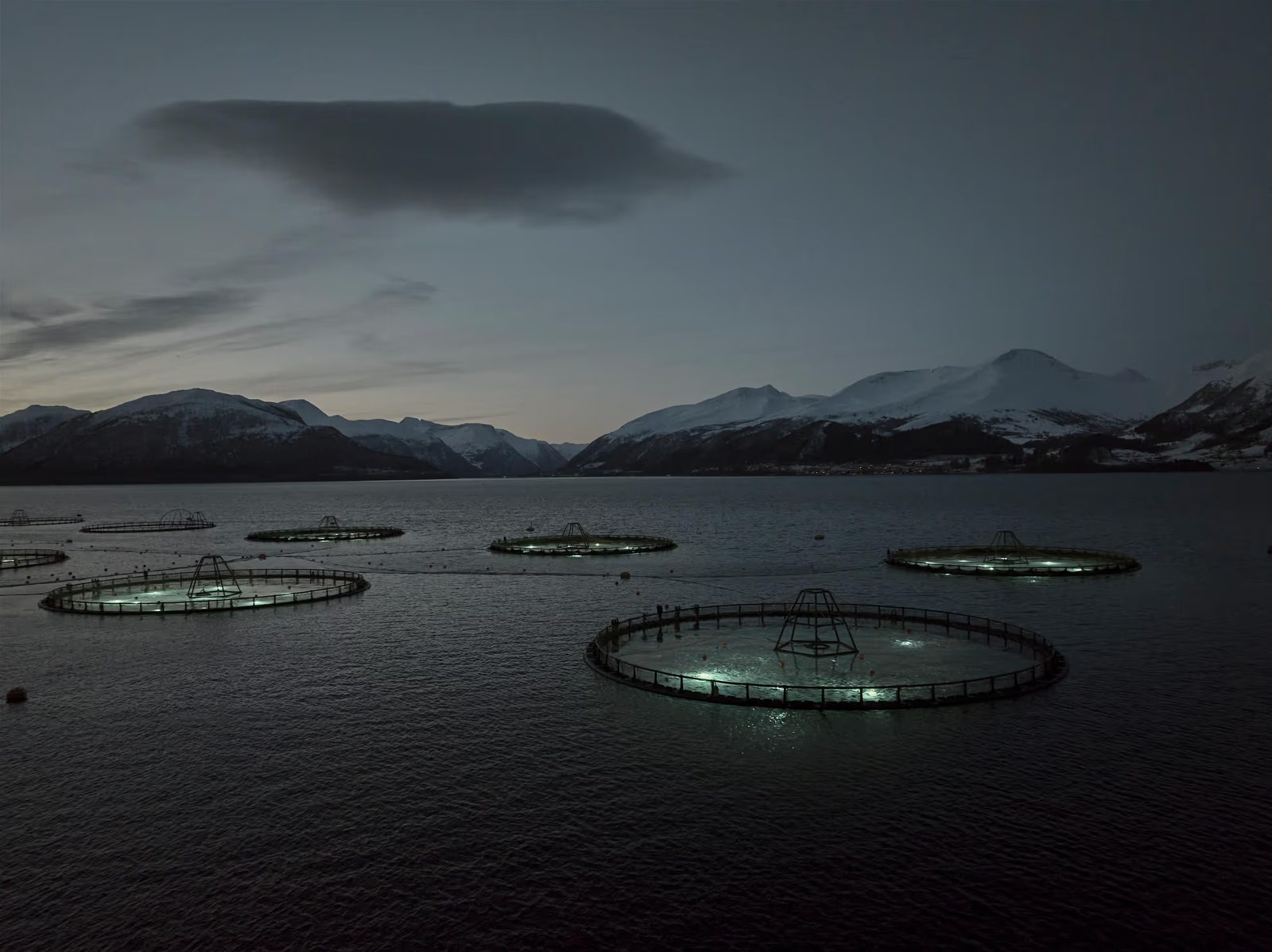
Ode runs the whole chain itself, from roe to packed product:
- Hatchery and land. The cod hatch and grow on land until they are big and robust enough for the sea.
- At sea. They then grow in sea pens along the coast of Møre og Romsdal and Vestland. Ode says it keeps stocking densities low so the cod have room to swim, and it has started using submersible pens that hold the fish deeper, where temperature and light are more stable.
- Processing at Vartdal. At harvest the fish go to Ode’s own processing plant at Vartdal, outside Ålesund.
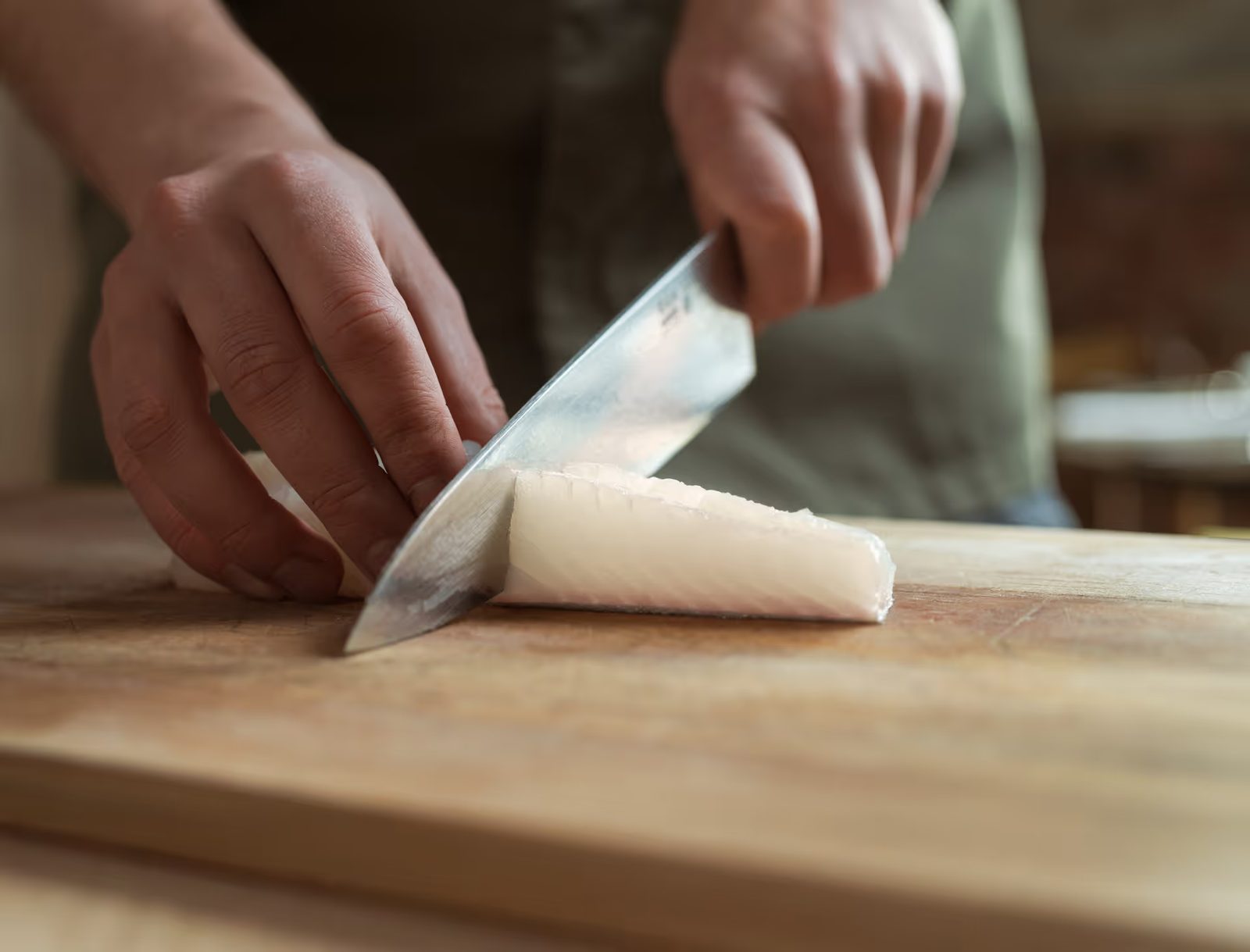
Two steps at Vartdal matter for quality. The live cod are gently chilled before slaughter, which Ode says means less stress and a firmer texture. Then the fish is filleted very soon after slaughter, before the flesh stiffens. This is called pre-rigor filleting.
Ode also says it uses no antibiotics in its cod farming. The fish are vaccinated before they go to sea, and sea lice, the parasite that causes so much trouble in salmon farming, don’t attack cod.
Why farm cod at all?
Fresh wild cod has always depended on seasonal fisheries, and Ode points to falling quotas for wild cod and a large gap between demand and supply. Farming means fresh cod can be harvested every week of the year, whatever the season.
In September 2026 Ode began selling never-frozen cod loins and cod burgers in more than 200 Norwegian grocery stores. Until then, Ode says, Norwegian retail relied on seasonal wild cod, with frozen products for the rest of the year.
Farmed Ode cod vs wild Ramoen cod
The cod we sell today, Ramoen Atlantic cod loins, is wild. It is caught by the Norwegian factory trawler F/T Ramoen, mainly in the Barents Sea, the Norwegian Sea and the North Sea, and filleted and frozen below −20°C on board within six hours of catch. You can read more about it in our Atlantic cod article.
Both are the same species, Atlantic cod. The differences are in where they live and how they are handled:
- Origin. Ramoen cod is caught wild in the open sea. Ode cod is raised from egg to harvest in fjord farms on the Norwegian coast, with every step traceable to one company.
- Handling. Ramoen cod is filleted and frozen at sea within hours of catch. Ode cod is chilled alive, harvested and filleted pre-rigor at Vartdal, and sold fresh or frozen.
- Availability. Wild cod depends on the fishing season and quotas. Farmed cod can be harvested every week of the year.
- Texture and taste. Ode describes its cod as firm yet juicy and snow-white, with a delicate, silky flavour. It has been served as sashimi and nigiri at seafood events in Tokyo. Ode is working with Mattilsynet, the Norwegian Food Safety Authority, to get approval for its cod to be eaten raw at sashimi quality, but that approval is still in progress.
- Nutrition. Ode’s figures for its cod are 21 g of protein and under 1 g of fat per 100 g, at around 80 calories. Like all Atlantic cod it is a lean white fish.
Neither is better in every way. Frozen-at-sea wild cod is a very reliable choice for Malaysian kitchens, which is why we sell it. Farmed cod adds steady supply and pre-rigor freshness. We’d like you to be able to choose.
A note on “snow cod”
In Malaysia, “cod” or “snow cod” on a menu very often means Chilean seabass (Patagonian toothfish), a different and much oilier fish. Confusingly, Ode has also marketed its cod abroad as “Norwegian Snow Cod”. If you buy cod from us, Ramoen now or Ode later, it is always Atlantic cod, Gadus morhua.
Cooking Ode cod
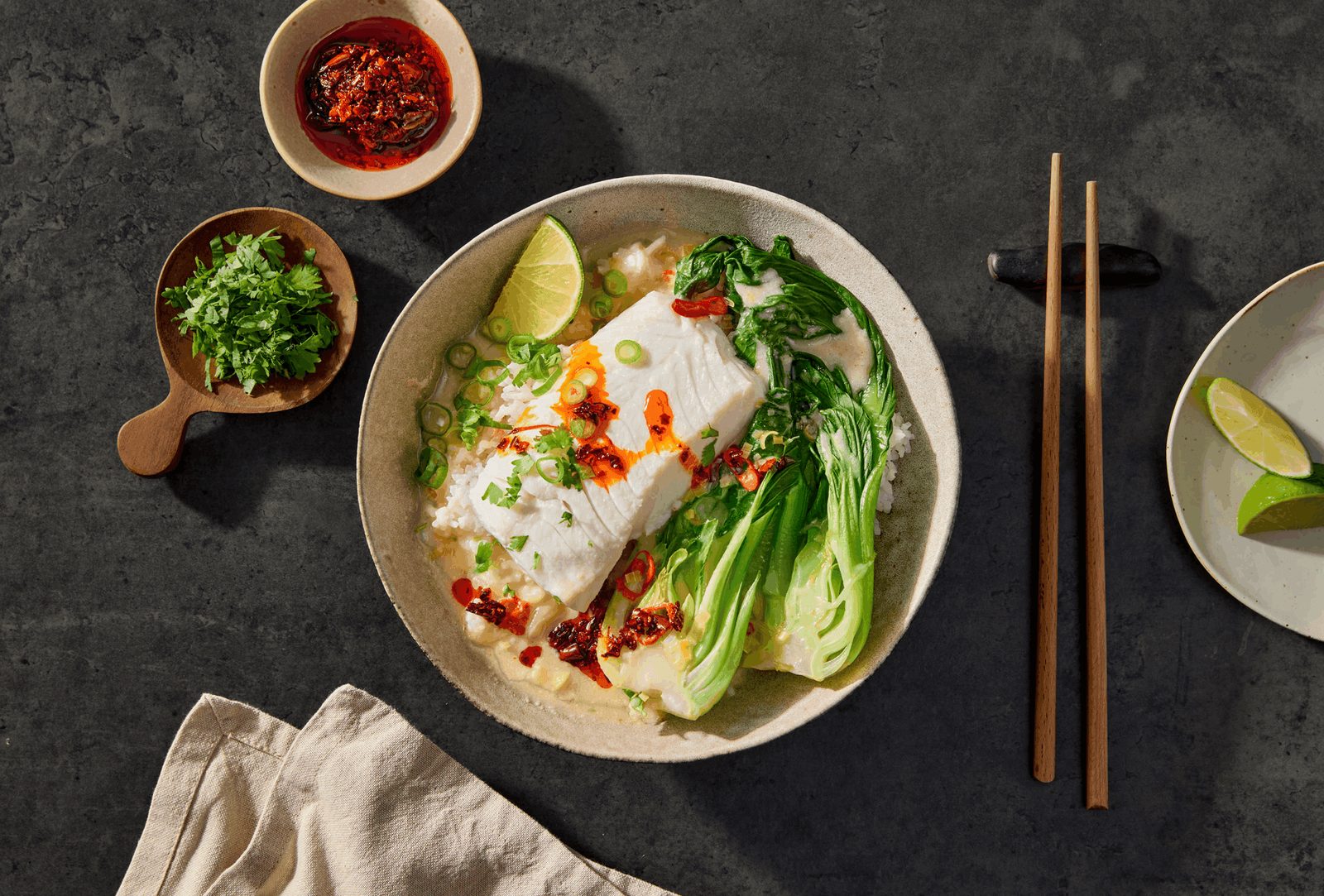
Farmed or wild, Atlantic cod is lean and overcooks quickly. Cook it gently: steam it with ginger and spring onion, poach it in a light broth, pan-fry it skin-side down, or add chunks to porridge or curry near the end of cooking. Official food-safety advice is to cook fish to 63°C in the centre. Our Atlantic cod article has temperatures and a sous-vide method. If you’re cooking from frozen, follow our guide on how to thaw frozen cod, salmon and trout.
Ode cod: coming soon to Norgesfoods
We don’t sell Ode cod yet. We’re still working out the details and will share prices and dates only once they are confirmed. To be among the first to hear, register your interest on WhatsApp, and tell us roughly how much you’d like and whether you’re a household or a restaurant.
Meanwhile, wild Norwegian cod is available now:
- Ramoen Atlantic cod loins, 1kg box, skin on or skinless
- All our Atlantic cod
- How to order Norwegian Atlantic cod in Malaysia
Delivery is KL and Selangor RM10–30 depending on postcode, RM40 to Penang and Johor Bahru. We deliver within Peninsular Malaysia only, or you can choose free pickup from our TTDI location. Norgesfoods is an online and WhatsApp business, not a retail store, so please order first. See Shipping & Delivery.
Frequently asked questions
Is Ode cod real Atlantic cod?
Yes. Ode farms Atlantic cod, Gadus morhua, the same species as wild Norwegian cod. It is not Chilean seabass, even though Ode has used the name “snow cod” abroad.
Where is Ode cod farmed?
In sea pens along the coast of Møre og Romsdal and Vestland in western Norway. It is processed at Ode’s own plant in Vartdal, near Ålesund.
Is farmed cod safe? Does Ode use antibiotics?
Ode says it uses no antibiotics in its cod farming and vaccinates its fish before they go to sea. In 2026 it became the first cod farmer certified to the ASC standard, which audits fish health, welfare and environmental impact.
Can I buy Ode cod from Norgesfoods now?
Not yet. Ode cod is coming soon. Register your interest on WhatsApp and we’ll tell you first. Our wild Ramoen cod loins are available to order now.
How is farmed cod different from wild cod?
They are the same species. Farmed cod is raised in fjord pens, harvested all year and, at Ode, filleted pre-rigor. Wild cod is seasonal. Ours is filleted and frozen at sea within hours of catch.
Do you deliver cod outside the Klang Valley?
Yes, within Peninsular Malaysia: KL and Selangor RM10–30 depending on postcode, RM40 to Penang and Johor Bahru. Or choose free pickup from our TTDI location.
— Mitchell, Norgesfoods