 Norgesfoods
Updated October 2026
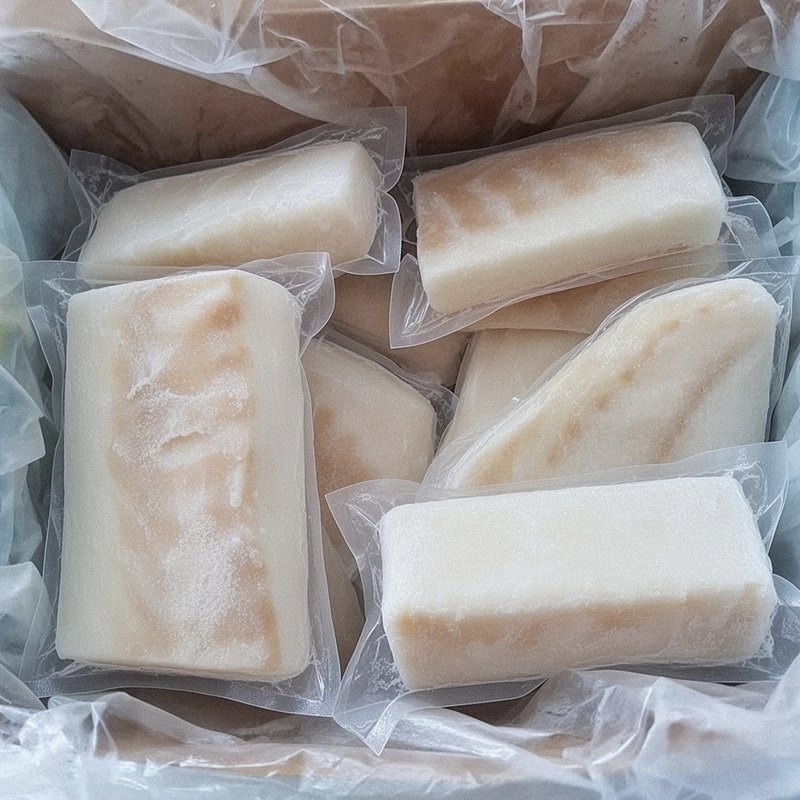
Norgesfoods sells genuine wild Atlantic cod from the Norwegian trawler F/T Ramoen, in 1kg boxes of boneless loins, skin on or skinless. Order on the product page or WhatsApp us.
What is cod fish?
In Malaysia and Singapore there is a lot of confusion about what “cod” really is. For years, Chilean seabass, also called Patagonian toothfish (Dissostichus eleginoides), has been sold as “cod” or “snow cod” by restaurants, markets and even some supermarkets.
Chilean seabass is neither a bass nor a cod. It is oily and fatty, while Atlantic cod is lean, with almost no fat in its flesh, because cod stores its oil in its liver (hence “cod liver oil”). Chilean seabass also has about three times as much mercury as cod: 0.354 ppm on average, against 0.111 ppm for cod, according to the US FDA. Its stocks were badly overfished in the past, so if you do buy it, look for a certified sustainable source.

Atlantic cod (Gadus morhua) from Ramoen
Our cod is caught wild by F/T Ramoen, a modern 75-metre Norwegian factory trawler that fishes mainly in the Barents Sea, the Norwegian Sea and the North Sea. On board, the fish is filleted before rigor sets in and frozen below −20°C within six hours of catch (Ramoen). The fillets are then air-flown deep-frozen to Malaysia, where we pack them into 1kg boxes without breaking the cold chain. This “fresh frozen at sea” method locks in freshness and gives white, firm fillets.


In the spirit of transparency, we can prove where the cod was caught. Each batch has a catch certificate showing the UN FAO fishing area (area 27, the North-East Atlantic), and the health certificate and certificate of origin are available on request. See proof-of-origin documents.

How to store and thaw cod
- Keep it frozen at −18°C or colder, and use it by the date on the box.
- Thaw it in the fridge overnight with the pack opened, or sealed in cold water for 1½–2 hours. Never on the counter.
- Full instructions: how to thaw frozen cod, salmon and trout.
Cooking Atlantic cod
Atlantic cod is delicate and lean, so it is easy to overcook. Above about 80°C the flesh turns crumbly, floury and dry. We recommend cooking it gently, at lower temperatures for longer.
Official food-safety advice is to cook fish to 63°C in the centre. Many chefs cook top-quality cod to around 50–55°C for a moist, just-flaking texture. If you are cooking for young children, pregnant women, the elderly or anyone unwell, cook it to 63°C. Cod is done when the flesh is white and opaque and flakes easily.
Immersion cooking (sous vide)
Sous vide lets the centre of the fillet reach the temperature you want without overcooking the outside. Below is a moist, flaky sous-vide cod cooked at 52°C for 50 minutes, from frozen. The long cooking time also lets the aromatics (soy sauce, sesame oil, ginger, garlic, spring onion) soak in. No sous-vide machine? Poach or steam it gently, without letting the water simmer or boil.


More on gentle cooking: perfect poached fish and a cod sous-vide temperature experiment.
Pan-frying
Another fool-proof way to cook cod is pan-frying with a protective coating, usually flour and an egg wash, so the fillet doesn’t touch the high heat directly. Skin-on loins are also great pan-fried skin side down. The result is moist, flaky and full of flavour.

We season the flour with paprika, garlic powder, salt and pepper, then dip it in egg. Use a skillet on medium heat and flip once the first side is golden brown. Finish with butter and a few drops of lemon.

Cod rice porridge
A family favourite. Marinate the thawed raw cod (skinless works best) with soy sauce, sesame oil, pepper, fried shallots, garlic and ginger.
Cook the porridge until done, then turn the heat off completely and place the marinated cod on top. The porridge should be around 80°C. Close the lid and let the heat cook the cod. Don’t bring it back to the boil and don’t stir. After about 15 minutes, check that the cod is white and flakes easily all the way through. If not, put the lid back on for a few more minutes.

Steamed cod
The best way to steam cod is to barely steam it. Bring at least 2 litres of water to the boil (more water holds heat for longer) and heat the steaming plate in the steamer.
Switch off the heat, put the marinated cod on the plate without crowding it with vegetables or lots of sauce, and cover quickly. Let the heat cook the cod slowly. After about 15 minutes, check that it is white, opaque and flaky in the centre, then serve with vegetables and rice.

Frequently asked questions
Is the cod sold in Malaysian restaurants real cod?
Often not. Much of what is sold as “cod” or “snow cod” is Chilean seabass (Patagonian toothfish), a different, oilier fish with about three times the mercury.
Is Ramoen cod wild or farmed?
Wild-caught Atlantic cod, filleted and frozen at sea on the Norwegian trawler F/T Ramoen.
Skin on or skinless?
Skin on is best for pan-frying and baking. Skinless is best for steaming, porridge, soups and children’s meals.
What temperature is cod cooked at?
Official advice is 63°C in the centre. Many chefs prefer 50–55°C for a moister texture; cook to 63°C for young children, pregnant women and the elderly.
Related guides
How to order
- Order on norgesfoods.com/shop or on WhatsApp +60 11-1140 5539.
- For cod, tell us skin on or skinless.
- Free pickup from our TTDI location. We send the pickup details when we confirm your order.
- Delivery is RM10–30 in KL and Selangor depending on postcode, and RM40 to Penang and Johor Bahru. We deliver within Peninsular Malaysia only. See Shipping & Delivery.
- Pay by bank transfer, Touch ‘n Go eWallet or cash, using your invoice number as the payment reference.
- We’re an online and WhatsApp business, not a retail store, so please order first.
Rated 5.0 from 48 Google reviews. Read what our customers say.