 Norgesfoods
Many of you ask us whether we have organic salmon. Not yet, but we’d like to. We plan to bring Debio-certified organic salmon from Norway to Malaysia, alongside the Frøya salmon we sell today. Before we do, here is what “organic” actually means for a farmed salmon, who certifies it in Norway, two of the producers that farm it, and how to register your interest.
What is Debio?
Debio is the Norwegian organic certifier. It is a private membership organisation, and it certifies the providers of organic products in Norway: farms and fish farms, processors, importers and others. Norway’s Food Safety Authority (Mattilsynet) has delegated the inspection of organic producers to Debio, and Debio inspects every organic aquaculture business at least once a year.
Its best-known mark is the green Ø-label (Ø for økologisk, “organic”). Debio says more than 72% of Norwegian consumers recognise it. If you’ve bought our Snillbie organic honey, you’ve already met Debio: Snillbie has been Debio-certified since 2008.
For salmon, Debio checks farms against Norway’s organic regulation, which applies the EU organic rules (Regulation (EU) 2018/848 and its detailed rules for aquaculture). So Norwegian organic salmon is farmed to the same standard as organic salmon in the EU.
What makes a salmon organic?
Organic salmon is still farmed salmon. It is Atlantic salmon, Salmo salar, hatched on land and grown in pens in the sea, like the salmon we sell now. The differences are in the rules for how it is raised. Here are the main ones, as set out by Debio and Mattilsynet:
- More space. Organic salmon in sea pens may be stocked at no more than 10 kg of fish per cubic metre of water. Norway’s general rules allow up to 25 kg/m³. Debio says the density must not cause stress or fin damage, and the fish must be able to swim as a school.
- Organic feed. Plant ingredients must be organic. The marine part comes from fish meal and fish oil made mainly from trimmings of fish already caught for people to eat, from fisheries certified as sustainable (MSC and/or MarinTrust, according to Mattilsynet). Debio says artificial additives are not allowed in the feed.
- Natural colour only. Wild salmon get their pink colour from astaxanthin in the shellfish they eat. In organic feed, astaxanthin must come mainly from organic sources, such as organic crustacean shells. If those aren’t available, natural sources such as Phaffia yeast may be used. Synthetic astaxanthin is not on the list.
- Strict limits on medicines. Prevention comes first. If a fish is sick, a vet may still treat it, including with antibiotics, because leaving it to suffer is not allowed. But the withdrawal time before harvest is doubled, and if fish get more than two treatments in a year, they can no longer be sold as organic. Hormones are banned.
- Gentler on the surroundings. Debio says cleaner fish (wrasse) are used to control sea lice, and that sites must lie fallow between generations so the seabed can recover. Fouling on equipment may only be removed by physical methods or by hand.
SalMar: the farmer behind our Frøya salmon
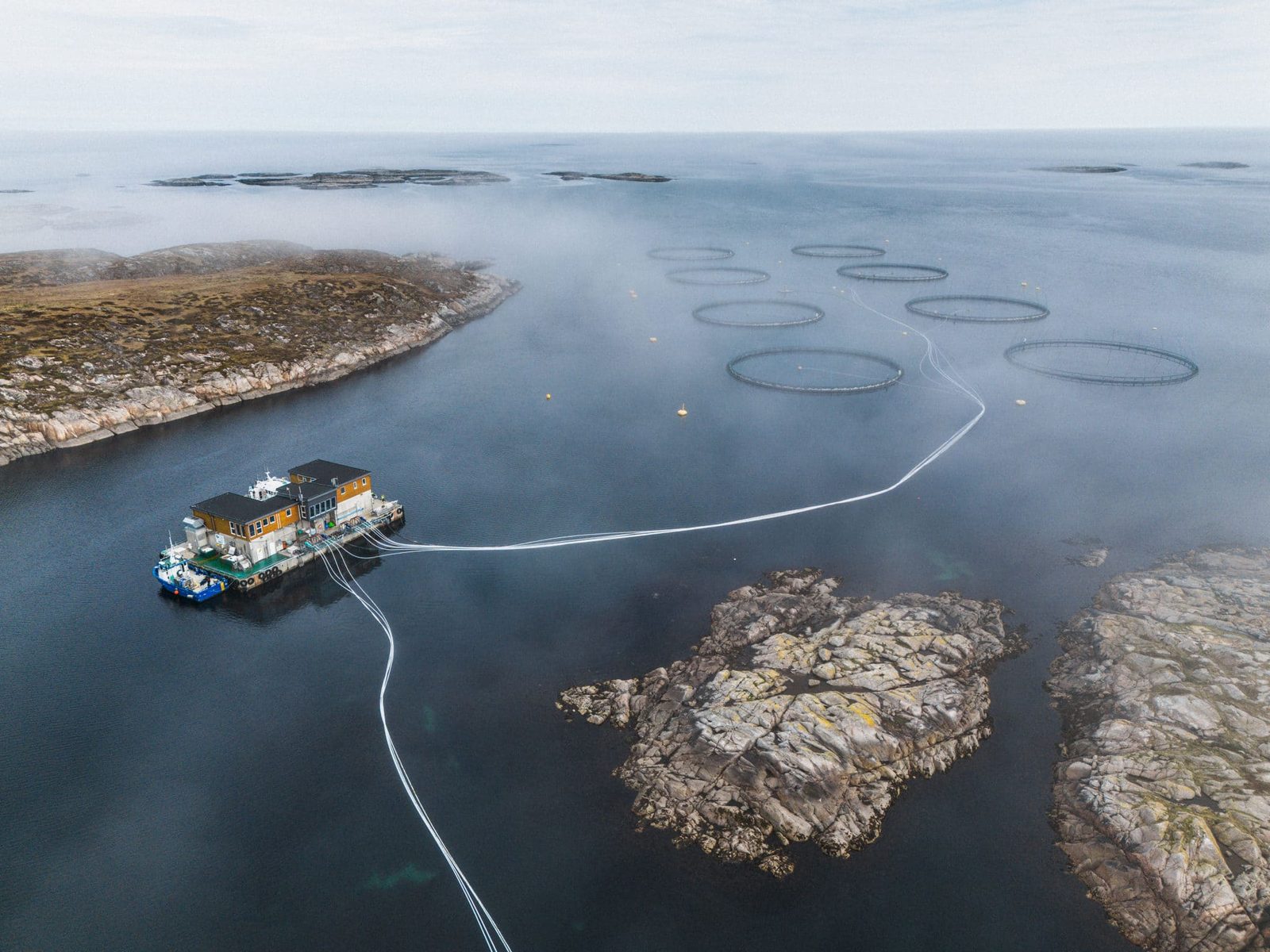
You may already know SalMar. It farms the Frøya sashimi salmon we sell today, in the sea off Frøya island in mid-Norway. SalMar is also, in its own words, “one of the world’s leading producers of organic salmon”.
SalMar says it was certified to farm, process and sell organic salmon in 2009, and harvested its first organic salmon in March 2011. It now supplies organic salmon 52 weeks a year and controls the whole chain itself, from broodstock and smolt to finished products. Debio’s register lists several SalMar organic salmon sites, with certificates valid to the end of 2027.
SalMar sums up the main rules for its organic salmon like this:
- no more than 10 kg of fish per m³ in the pen
- marine feed made from fish offcuts from sustainable, MSC-certified fisheries
- nets without copper-based anti-fouling
- twice the usual withdrawal period if fish must be treated with medicines
- sites left empty for at least 4 months between generations, compared with 2 months for its conventional sites
To be clear, the Frøya salmon we sell now is not organic. It is SalMar’s conventional salmon. Organic salmon would be a separate product.
Eide: a family farmer in the western fjords
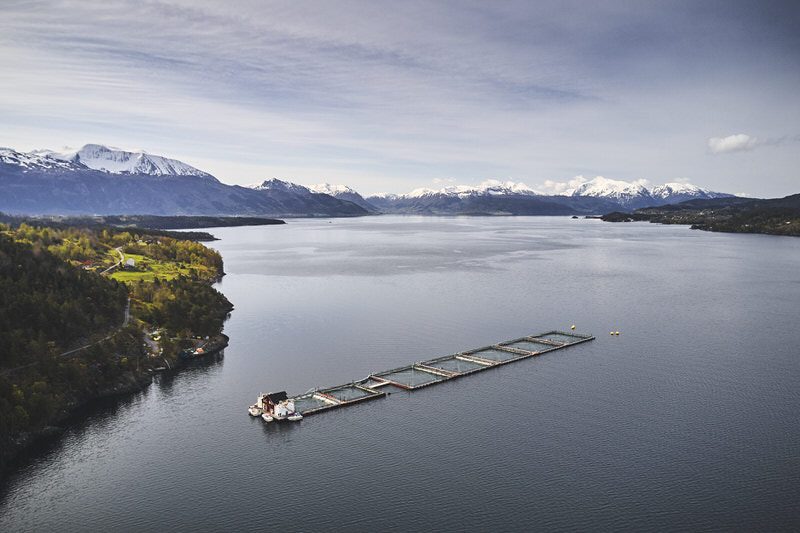
Eide (Eide Fjordbruk) is a family-owned salmon farmer in western Norway, now run by the third generation. Its story began in the 1970s, when Knut Johan Eide started farming trout and salmon in the lake Skogseidvatnet. Today Eide has sites from the Hardangerfjord to Nordfjord.
Eide says its organic salmon is hatched in its own hatchery by Skogseidvatnet, raised at one of its organic-certified juvenile sites, then moved to a certified organic sea farm, “where it gets a lot of space and a special organic feed”. Its 2024 sustainability report says this salmon is certified organic by Debio according to the EU organic rules, and Debio’s register lists many Eide organic salmon sites.
Eide describes it as “organic salmon like we believe it is supposed to be”: raised “at nature’s pace, giving them space, calm, and a life worth living”. It says it can deliver fresh organic salmon every week of the year, as fillets or portions.
Other farmers with Debio-certified organic salmon sites include Flakstadvåg Laks, Hofseth, Tombre, Quatro Laks and Langøylaks.
Organic vs our Frøya salmon
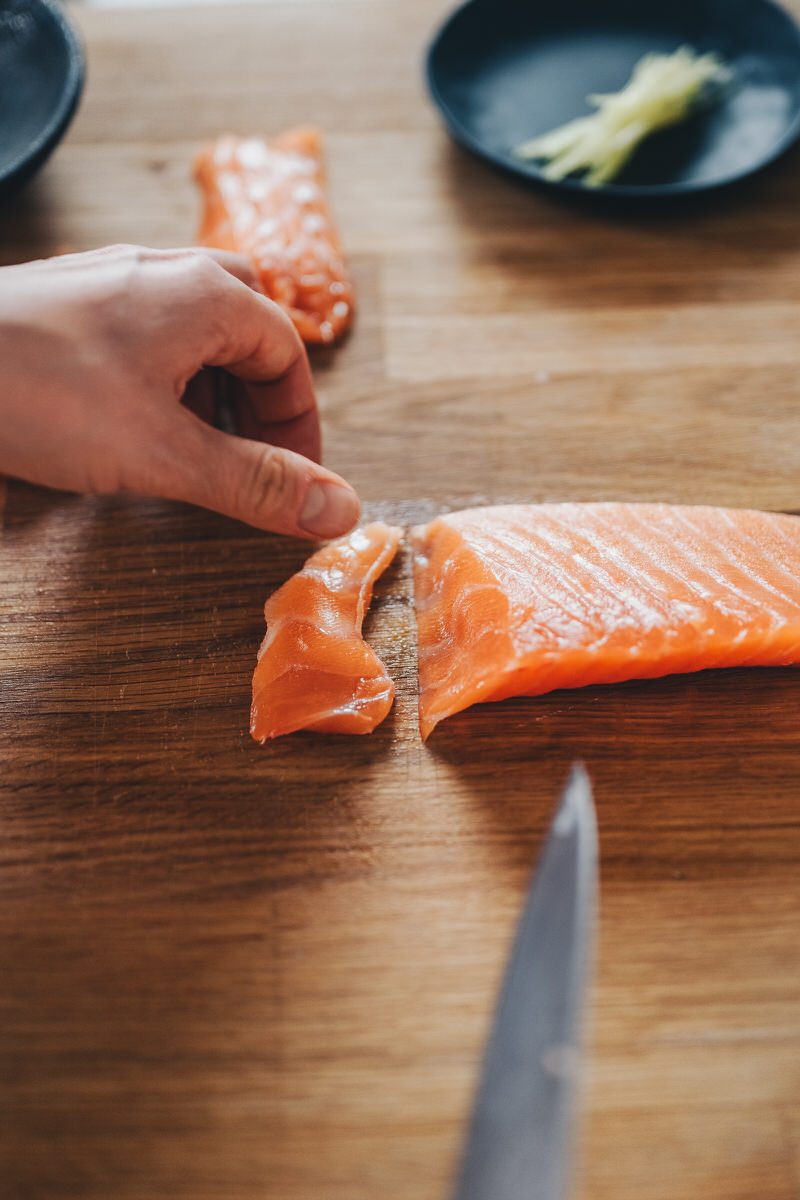
Both are farmed Norwegian Atlantic salmon, and both are good fish. The differences:
- Rules. Organic salmon is raised under the organic rules above, checked by Debio every year. Our Frøya salmon is conventional salmon from SalMar.
- Space and feed. Organic: at most 10 kg/m³, organic feed, natural colour only. Conventional Norwegian salmon is allowed up to 25 kg/m³.
- Raw use. Our Frøya midloin and backloin are packed in Norway for sashimi. “Organic” says nothing about whether a fish is fit to eat raw. That depends on how it is handled and packed. When we bring organic salmon in, we’ll tell you clearly whether each product is for raw use or for cooking.
- Available now? Frøya, yes. Organic, not yet.
For more on what we sell today, see our guide to Norwegian salmon in Malaysia and Frøya vs frozen Atlantic salmon.
Organic Norwegian salmon: coming soon to Norgesfoods
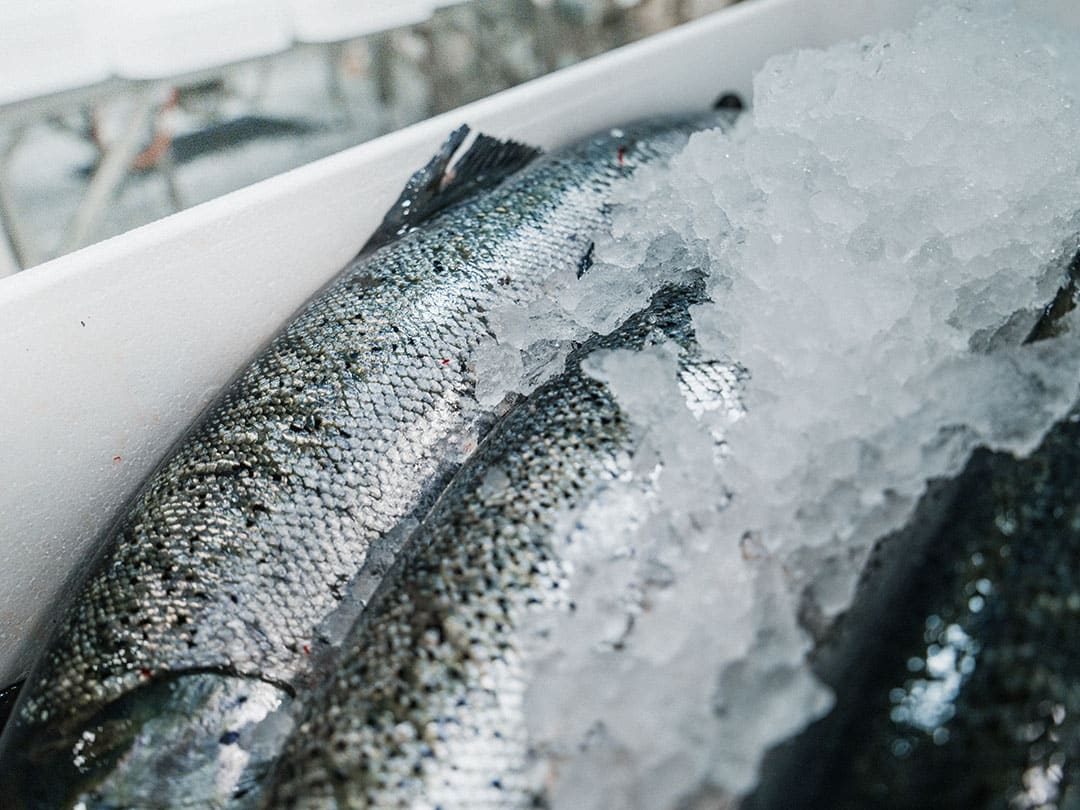
We don’t sell organic salmon yet. We’re still working out the details, including the producer, the cuts and whether it will be chilled or frozen, and we’ll share prices and dates only when they are confirmed. To be among the first to hear, register your interest on WhatsApp. Tell us roughly how much you’d like, whether you’d eat it raw or cooked, and whether you’re a household or a restaurant. It really helps us decide.
Meanwhile, Norwegian salmon is available now:
- Frøya sashimi salmon midloin, 300g and backloin, 180g, chilled
- Frozen Atlantic salmon for cooking
- Where to buy sashimi salmon in Kuala Lumpur
Delivery is KL and Selangor RM10–30 depending on postcode, RM40 to Penang and Johor Bahru. We deliver within Peninsular Malaysia only, or you can choose free pickup from our TTDI location. Norgesfoods is an online and WhatsApp business, not a retail store, so please order first. See Shipping & Delivery.
FAQ
Is organic salmon wild or farmed?
Farmed. Organic Norwegian salmon is Atlantic salmon farmed in sea pens, under stricter rules on space, feed and medicines. See farmed vs wild salmon.
What does Debio-certified mean?
It means Debio, the Norwegian organic certifier, has checked that the farm follows the organic rules, which are based on EU organic regulation. Debio inspects every organic aquaculture business at least once a year.
Why is organic salmon pink?
From astaxanthin, the same natural pigment wild salmon get from shellfish. In organic feed it must come from organic sources such as crustacean shells, or from natural sources such as Phaffia yeast.
Is organic salmon ever given antibiotics?
Only if a vet decides a sick fish needs treatment. The withdrawal time is then doubled, and fish treated more than twice in a year lose their organic status. Hormones are banned.
Is your Frøya salmon organic?
No. Our Frøya salmon is conventional salmon from SalMar. SalMar also farms organic salmon, but that is a separate product, which we don’t sell yet.
Can I buy organic Norwegian salmon in Malaysia from Norgesfoods?
Not yet. It’s coming soon. Register your interest on WhatsApp and we’ll tell you first.
— Mitchell, Norgesfoods